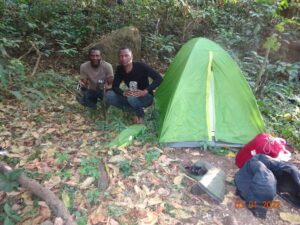
PRACOND implements research, biodiversity conservation and community-based environmental protection activities in and around protected areas across Cameroon. Our key activities include:
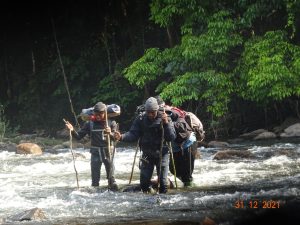
1. Environmental Protection through Research and Conservation
- Chimpanzee Ecology and Behaviour: Studying the ecology, behaviour, habitat use and conservation needs of chimpanzees.
- Primate Population Monitoring: Assessing the abundance, distribution and population trends of monkeys and other primates.
- Human-Wildlife Interactions: Investigating interactions between local communities and wildlife, including human activities that threaten biodiversity.
- Pangolin Conservation: Assessing the abundance, distribution, habitat use and conservation status of pangolins.
- Wildlife Surveys: Conducting inventories to assess the abundance, distribution and diversity of herbivores and other wildlife species.
- Bird Diversity Monitoring: Surveying and documenting bird species, their distribution and habitat associations.
- Non-Timber Forest Products: Identifying and assessing the diversity, availability and sustainable use of non-timber forest products.
- Vegetation and Forest Ecology: Assessing plant species composition, forest structure, vegetation diversity and habitat conditions.
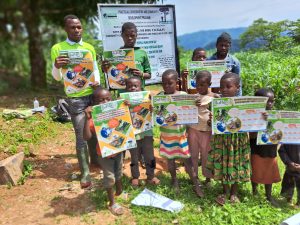
2. Environmental Education and Conservation Awareness
- Community Conservation Education: Raising awareness among forest-dependent communities about biodiversity conservation, sustainable natural resource management and environmentally responsible practices.
- Behavioural Change Campaigns: Promoting positive attitudes towards wildlife conservation and encouraging communities to reduce bushmeat consumption, illegal hunting and other activities that threaten biodiversity.
- Conservation Education Materials and Signage: Developing and installing educational posters, billboards and forest boundary signposts to raise conservation awareness, communicate environmental regulations and promote the protection of wildlife and their habitats.
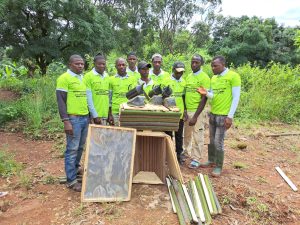
3. Sustainable Agriculture and Livelihood Improvement
- Alternative Livelihood Development: Promoting poultry farming, piggery, beekeeping (apiculture) and fish farming to improve household incomes and reduce dependence on forest resources.
- Sustainable Agriculture and Land Management: Supporting environmentally friendly farming methods, agroforestry and sustainable land-use practices to improve agricultural productivity while reducing habitat degradation.
- Food Security and Community Well-being: Strengthening food security by promoting sustainable food production, diversifying income sources and improving the livelihoods of forest-dependent communities.
4. Capacity Building in Wildlife Monitoring and Conservation
- Camera Trap Monitoring: Training community eco-guards, field researchers and conservation practitioners in the use of camera traps to monitor wildlife populations, assess species abundance and distribution, and document wildlife activities in protected areas.
- Global Positioning System (GPS) Technology: Building the capacity of community eco-guards and field researchers to use GPS devices for wildlife surveys, habitat mapping, recording wildlife observations and monitoring illegal human activities in and around protected areas.